Maintenance and troubleshooting
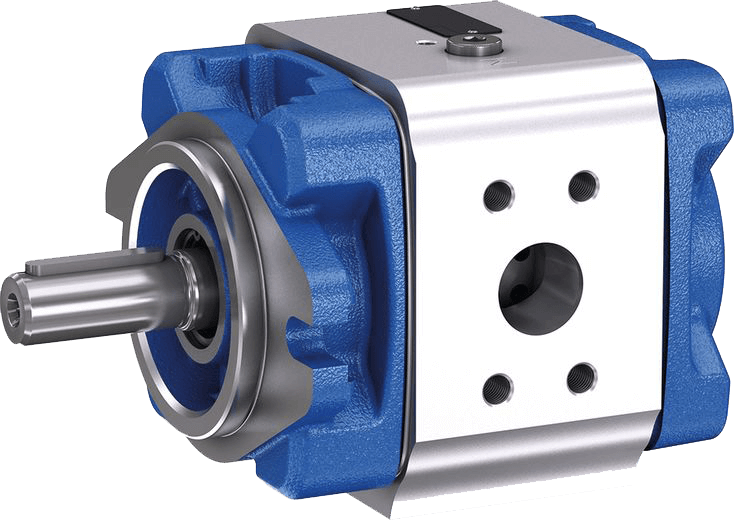
Gear pumps are indispensable in many industries, including oil and gas, food processing, pharmaceuticals, and hydraulics. Due to their simple design and reliability, they require regular maintenance like any other mechanical device. In this in-depth article, we explore practical solutions for preventing gear pump failures and extending their service life.
Introduction: The importance of preventing gear pump failures
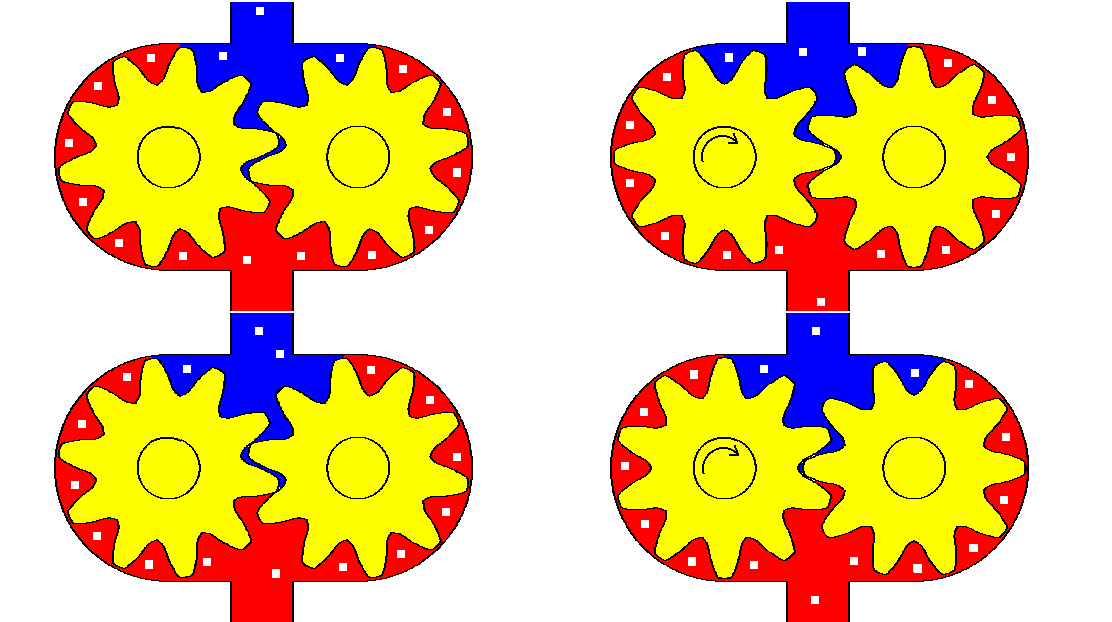
Gear pumps utilize the rotation of two meshing gears to move fluid from the suction to the discharge line. A failure of these pumps can result in production downtime, increased repair costs, and even damage to other equipment. Common problems can be avoided with proper maintenance.
Signs of a defective gear pump:
-
Low emigration
-
Increased noise and abnormal vibrations
-
Leak plug
-
Increase in pump temperature
-
Metal particles in liquid
The main causes of gear pump failure and methods to prevent them.
1. Dry running of the pump
Reason: The pump was running without fluid, which led to excessive friction and rapid heating.
Prevention methods:
-
Installation of a level sensor in the suction tank
-
Use a pressure switch to turn off the pump when there is no liquid.
-
Check the suction line regularly for blockages.
-
Prepare the pump before first use.
2. Impurities and abrasive particles in the fluid.
Reason: The presence of solid particles in the fluid leads to wear on gears and bearings.
Prevention methods:
-
Install a suitable filter on the suction line (usually 25-50 microns).
-
Replace filters quickly
-
Use a magnet to attract metal particles.
-
Clean the fluid container regularly.
3. The pump is installed incorrectly.
Cause: Pump is incompatible with the motor or not properly grounded.
Prevention methods:
-
Use the alignment template for accurate installation.
-
Check for vibrations and noise immediately after installation.
-
Use vibration dampers if necessary.
-
Avoid external forces acting on the pump shaft.
4. Selecting the wrong pump for a specific application
Reason: The technical characteristics of the pump do not correspond to the operating conditions.
Prevention methods:
-
To select the right pump, consult a specialist.
-
Pay attention to the viscosity of the fluid, the temperature and the operating pressure.
-
When selecting the performance, consider the safety margin.
-
Checking the compatibility of pump materials with liquids (particularly in the food and chemical industries)
5. Sealing problem
Reason: Defective mechanical seal or O-ring.
Prevention methods:
-
Select the correct seal type based on operating pressure and temperature.
-
Replace O-rings and seals regularly.
-
Visually inspect for leaks and repair them immediately.
-
Use of double sealing systems in sensitive applications
 Preventive maintenance program for gear pumps
a) Daily check:
-
Check the noise and vibration levels
-
Temperature monitoring of pumps and bearings
-
Check for leaks
-
Check the inlet and outlet pressure.
b) Monthly check:
-
Tighten the connectors and screws.
-
Check the reference point
-
Checking the oil level and quality in bearings
-
Perform a visual inspection of the general condition of the pump.
c) Annual inspection:
-
Replacing seals and O-rings
-
Check the gears for wear
-
Replace bearings if necessary.
-
Calibration of relevant precision instruments
 A quick method for troubleshooting gear pumps
1. Reduce churn:
-
Check the suction line filter.
-
Push-line valve control
-
Check the gears for wear
-
Check the engine speed
2. Increased noise and vibration:
-
Check the centering
-
Fluid level control
-
Check the bearings.
-
Cavity inspection
3. Fluid leakage:
-
Checking the mechanical seal
-
Check the seals and O-rings
-
Check the operating pressure of the system.
How to choose the right fluid for your gear pump
Properties of suitable liquids:
-
Suitable viscosity for the operating temperature range.
-
Sufficient lubrication performance
-
Contains no abrasive particles.
-
Compatibility with pump materials
-
Good thermal stability
Technology to extend the service life of gear pumps
1. Soft start: Use an inverter to reduce the initial pressure.
2. Cooling system: Install a high-temperature liquid cooler.
3. Avoid overpressure: install a suitable safety valve.
4. Proper lubrication: Use bearing oil of the appropriate quality.
5. Proper storage: If the pump is not used for a long time, a protective liquid should be added to the pump.
 Finally
Preventing gear pump failures requires a systematic approach that includes proper selection, installation, scheduled maintenance, and troubleshooting. Implementing a preventive maintenance program and early detection of warning signs significantly extends pump life and prevents costly repairs and production downtime. Investments in personnel training and simple monitoring devices also offer significant long-term benefits.
Remember: prevention is always cheaper than repair. By following the principles outlined in this article, you can ensure maximum efficiency and longevity of your gear pump.